How to adapt a sample
These diagrams are starting points, not complete operating procedures. Replace the names, check every condition, and walk through normal and exception cases before sharing the result.
Browse the ten examples
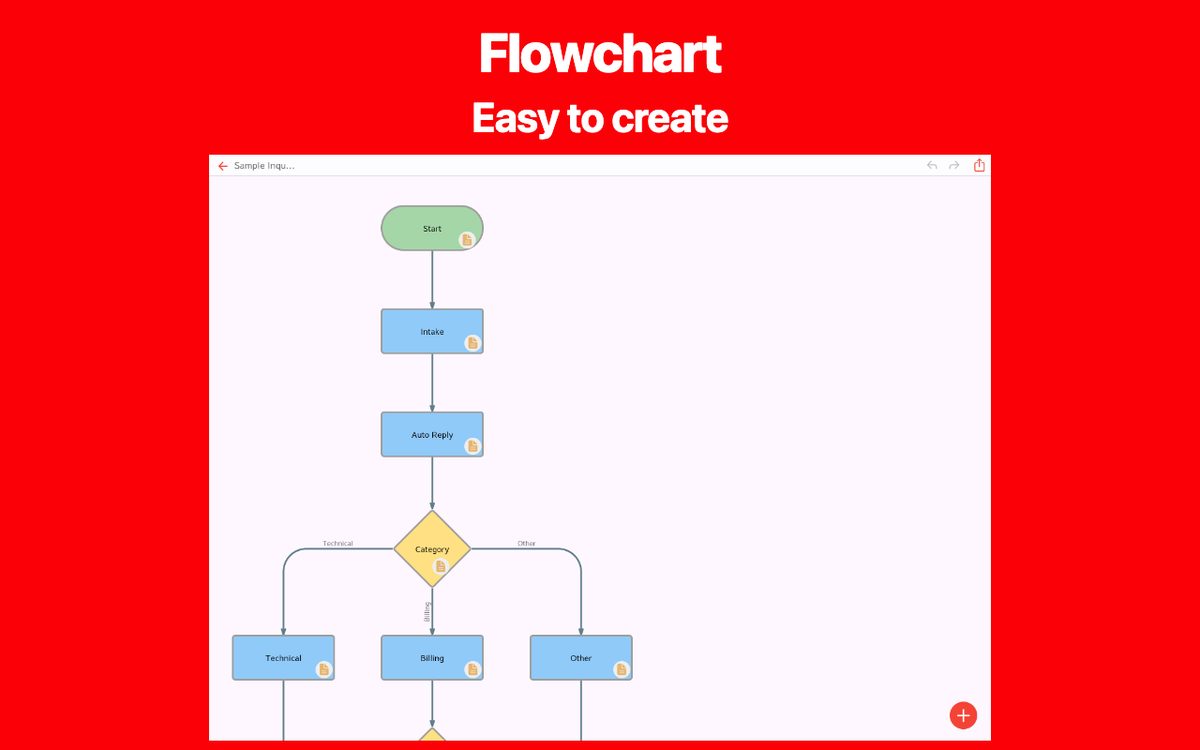
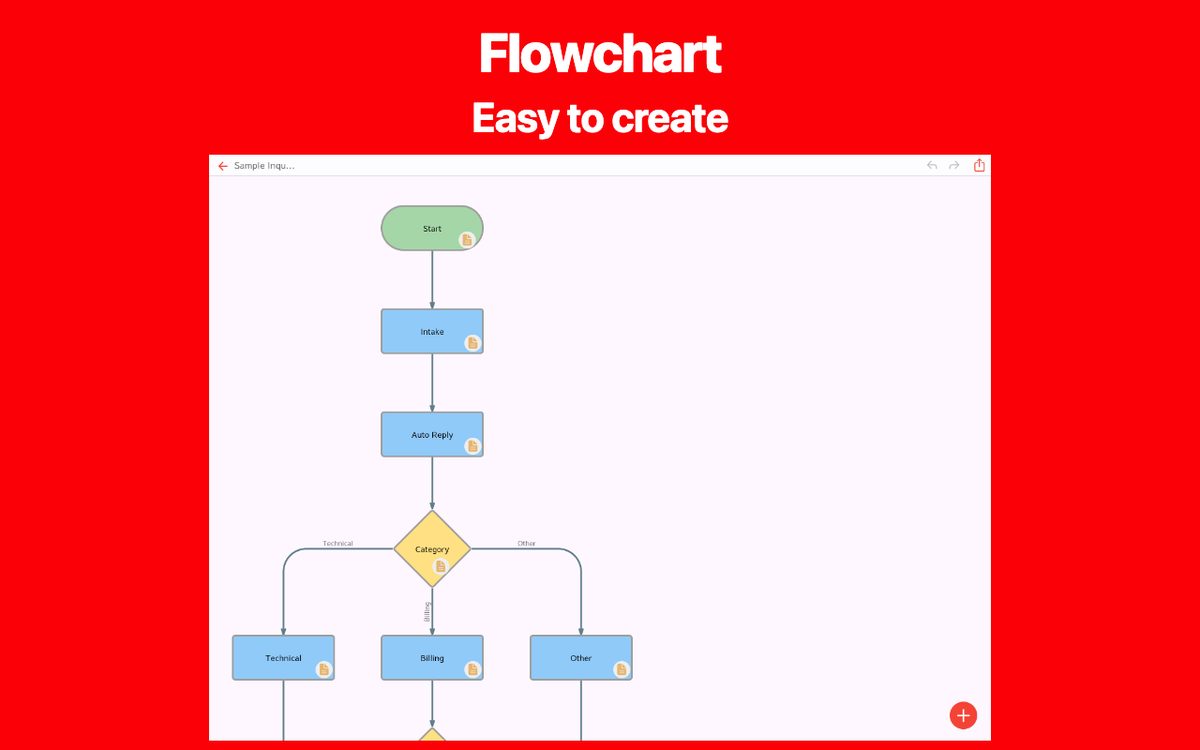
1. Customer support routing
Group requests by category and send each one to the right contact. Decide how to handle requests that do not fit a category.
2. Purchase requests and approval
Show how a request moves through review, approval, and ordering. Adapt the return path to your own review process.
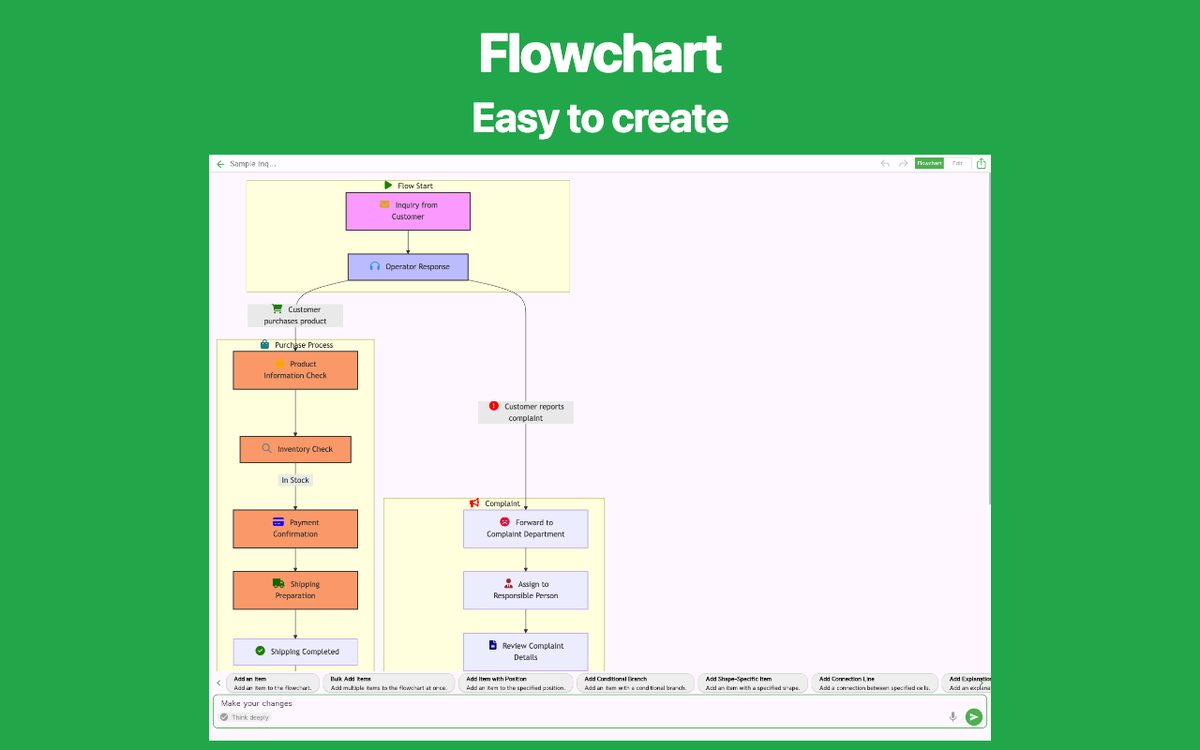
3. Online orders and shipping
Separate in-stock orders from orders waiting for stock. Review payment and shipment steps in the order your team actually follows.
4. Troubleshooting a connection
Check conditions one at a time instead of trying every fix at once. Use the final branch to explain when further help is needed.
5. Sign-in validation
Distinguish missing input, authentication failure, and success. Use it to discuss screen behavior before writing code.
6. Choosing the next task
Compare urgency and importance to choose what to do now and what to schedule. Adjust the criteria rather than treating this sample as a fixed policy.
7. Software release checks
Make the review, build, and verification steps explicit. Follow a failed check back to the correction step.
8. Study and review planning
Connect a learning goal to practice and a review of understanding. Choose when to repeat a topic and when to move forward.
9. Preparing for a trip
Plan reservations and packing, then consider an alternative for bad weather. Keep personal details out of a diagram you share publicly.
10. Inventory and restocking
Choose a reorder condition, place the order, and update records when stock arrives. Set the threshold using your own needs.
Create your own flowchart
Choose a flowchart app that fits your needs. Explore the features and available platforms on each app page.